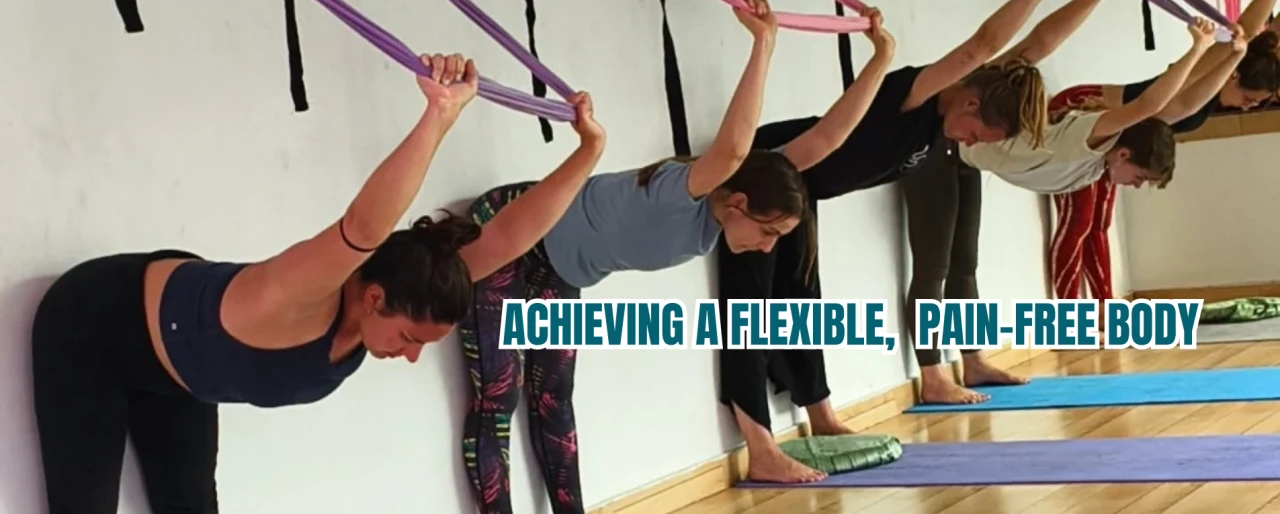
Stiff hips, a tight back, or cranky shoulders don’t have to be your “new normal.” With the right blend of mobility strength, breathwork, and , you can move better and feel better—at any age.
Why We Get Tight (and Sore)
- Sedentary hours: Long sitting shortens hip flexors and weakens glutes.
- Repetitive stress: Typing, driving, or single-sport overload creates imbalances.
- Under-recovery: Little sleep, hydration, or protein slows tissue repair.
- Breathing up top: Shallow, chest-only breathing keeps the nervous system “on edge.”
The 4-Pillar Plan
1) Daily Mobility (5–10 min)
- Spine: cat-cow × 8, thoracic rotations × 6/side
- Hips: 90/90 switches × 6/side, hip flexor lunge hold 30–45s/side
- Shoulders: wall slides × 10, band pull-aparts × 12
- Ankles: knee-to-wall rocks × 10/side
2) Smart Stretching (8–12 min)
- Warm up first (light walk or 1–2 mobility sets).
- Hold gentle discomfort (3–4/10), 30–60s, 2–3 rounds.
- Prioritize calves, hamstrings, hip flexors, pecs.
3) Strength for Range (15–25 min)
- Tempo squats or split squats (deep but controlled)
- Romanian deadlifts for posterior chain length & strength
- Rows + face pulls for posture balance
- Copenhagen side planks or Pallof press for core
4) Breath & Downshift (3–5 min)
- Diaphragmatic breathing: inhale 4, exhale 6–8
- Box breathing: 4-4-4-4 to calm the nervous system
- Finish sessions with 1–2 quiet minutes
Better Posture, Effortlessly
- Workstation: Screen at eye level, hips slightly above knees, feet grounded.
- Micro-breaks: 30–60 seconds every 30–45 minutes: stand, reach, breathe.
- Phone use: Bring screen to face; don’t drop your head to the screen.
Recovery That Actually Works
- Sleep: Aim for 7–9 hours; keep a consistent schedule.
- Hydration: Sip water through the day; add electrolytes in heat or long sessions.
- Protein: Include a palm-sized source at each meal to support tissue repair.
- Self-care: Gentle foam rolling before mobility; warm showers help tissue extensibility.
How Yoga Accelerates Flexibility & Pain Relief
Yoga blends mobility, strength, breath, and mindfulness in one practice. Flow-based classes free up joints, while longer holds improve tolerance at new ranges. Mindful breathing decreases muscle guarding so stretches feel safer and last longer.
If you want a guided, immersive path, explore programs at Nepal Yoga Teacher. Beginners and aspiring instructors often start with the 200 Hour Yoga Teacher Training in Nepal to build strong foundations before advancing.
Sample 7-Day Flexibility Plan
- Mon: Mobility circuit + lower-body strength + hip flexor & hamstring stretches
- Tue: Gentle vinyasa + thoracic rotation + diaphragmatic breathing
- Wed: Upper-body strength (rows, face pulls) + pec & lats stretches
- Thu: Yin or restorative yoga (40–60 min)
- Fri: Mobility circuit + posterior chain strength (RDLs) + calf stretch
- Sat: Hike or brisk walk + light full-body stretch
- Sun: Restorative breathwork + 10-minute mobility “reset”
When to Seek Professional Help
Get evaluated if you notice sharp or radiating pain, numbness, persistent swelling, or pain that doesn’t improve with rest and gentle mobility after 1–2 weeks.
Quick FAQ
How long until I feel more flexible?
Most people feel easier movement in 2–4 weeks with consistent daily mobility and 3–4 strength sessions per week.
Is stretching alone enough?
Stretching helps, but pairing it with strength through range and breathwork creates lasting change.
Morning or evening?
Any time you’ll be consistent. Many prefer light mobility in the morning and longer stretches after activity or at night.