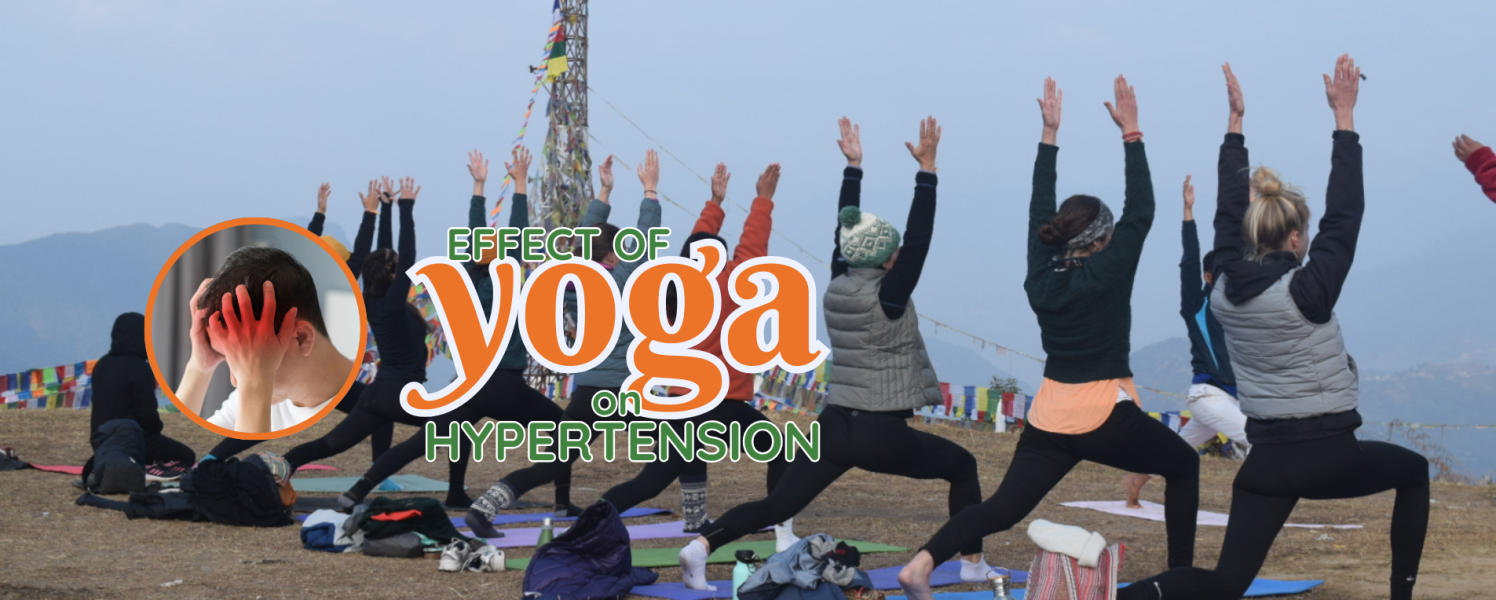
Hypertension, commonly known as high blood pressure, is a growing concern worldwide. Affecting millions of people, it is a significant risk factor for heart disease, stroke, and other serious health complications. While conventional treatments like medication are often necessary, an increasing number of studies highlight the benefits of yoga as a complementary therapy. This ancient practice offers a holistic approach to managing hypertension by addressing physical, mental, and emotional well-being.
In this blog, we’ll explore how yoga helps in reducing hypertension, the science behind it, and some yoga practices that can be easily incorporated into daily life.
What is Hypertension?
Hypertension occurs when the force of blood against the artery walls is consistently too high. It is classified into two types:
• Primary Hypertension: Develops over time without a specific cause.
• Secondary Hypertension: Caused by underlying medical conditions like kidney disease or hormonal imbalances.
Common Symptoms
• Persistent headaches
• Fatigue
• Chest pain
• Shortness of breath
• Dizziness
Left untreated, hypertension can lead to severe health issues, including heart attacks, kidney damage, and vision problems.
The Role of Yoga in Managing Hypertension
Yoga combines physical postures (asanas), breathing exercises (pranayama), and meditation techniques that help in reducing stress and improving cardiovascular health. Here’s how yoga impacts hypertension:
1. Reduces Stress
Chronic stress is a major contributor to hypertension. Yoga promotes relaxation and reduces the levels of cortisol, the stress hormone. Techniques like deep breathing and mindfulness meditation help calm the nervous system.
2. Improves Heart Health
Regular practice of yoga enhances blood circulation, reduces arterial stiffness, and improves overall heart function. Studies show a significant drop in both systolic and diastolic blood pressure among individuals practicing yoga consistently.
3. Encourages Weight Loss
Excess weight is another factor linked to hypertension. Yoga not only burns calories but also helps in improving metabolic health, aiding in weight loss.
4. Balances the Autonomic Nervous System
Hypertension is closely linked to an overactive sympathetic nervous system. Yoga practices, especially pranayama, balance the autonomic nervous system, reducing heart rate and blood pressure.
Scientific Evidence Supporting Yoga for Hypertension
Numerous studies have highlighted the benefits of yoga in controlling blood pressure:
• A study published in the Journal of Clinical Hypertension found that regular yoga practice led to a significant reduction in blood pressure among hypertensive patients.
• Research by the National Institute of Health (NIH) demonstrated that yoga can lower stress levels and improve heart rate variability, both of which are crucial for blood pressure control.
• The American Heart Association (AHA) recommends yoga as part of a healthy lifestyle for managing hypertension.
Yoga Poses and Techniques for Hypertension
1. Shavasana (Corpse Pose)
• How it helps: Relaxes the body and reduces stress levels.
• How to do it: Lie flat on your back with arms relaxed at your sides. Close your eyes and focus on slow, deep breaths.
2. Balasana (Child’s Pose)
• How it helps: Calms the nervous system and relieves tension.
• How to do it: Sit on your heels and stretch your arms forward while lowering your forehead to the floor.
3. Bhujangasana (Cobra Pose)
• How it helps: Opens up the chest and improves blood circulation.
• How to do it: Lie face down, place your palms under your shoulders, and lift your upper body while keeping the elbows slightly bent.
4. Anulom Vilom (Alternate Nostril Breathing)
• How it helps: Balances the autonomic nervous system and reduces stress.
• How to do it: Sit comfortably. Close the right nostril with your thumb and inhale through the left nostril. Alternate and repeat.
5. Meditation
• How it helps: Reduces anxiety and promotes a sense of well-being.
• How to do it: Find a quiet space, sit in a comfortable position, and focus on your breathing or a mantra.
Tips for Practicing Yoga Safely
1. Consult a Doctor: Before starting yoga, consult your physician, especially if you have severe hypertension or other medical conditions.
2. Go Slow: Begin with gentle poses and avoid asanas that involve excessive twisting or inversions.
3. Practice Regularly: Consistency is key to experiencing the benefits of yoga.
4. Combine with Lifestyle Changes: Yoga works best when combined with a healthy diet, regular exercise, and stress management.
Also read : Sound Healing Course at Pokhara Yoga School and Retreat Center
Conclusion
Yoga offers a natural and effective way to manage hypertension, complementing traditional treatments. Its focus on relaxation, mindfulness, and physical health makes it a powerful tool for improving overall well-being. Whether you're new to yoga or an experienced practitioner, incorporating these simple techniques into your routine can lead to better blood pressure control and a healthier life.
Take Charge of Your Health Today!
Start with just 10 minutes a day and experience the transformative effects of yoga on your mind and body. Share this blog with friends and family who might benefit from this holistic approach to managing hypertension.
Also read : YTT Courses Nepal