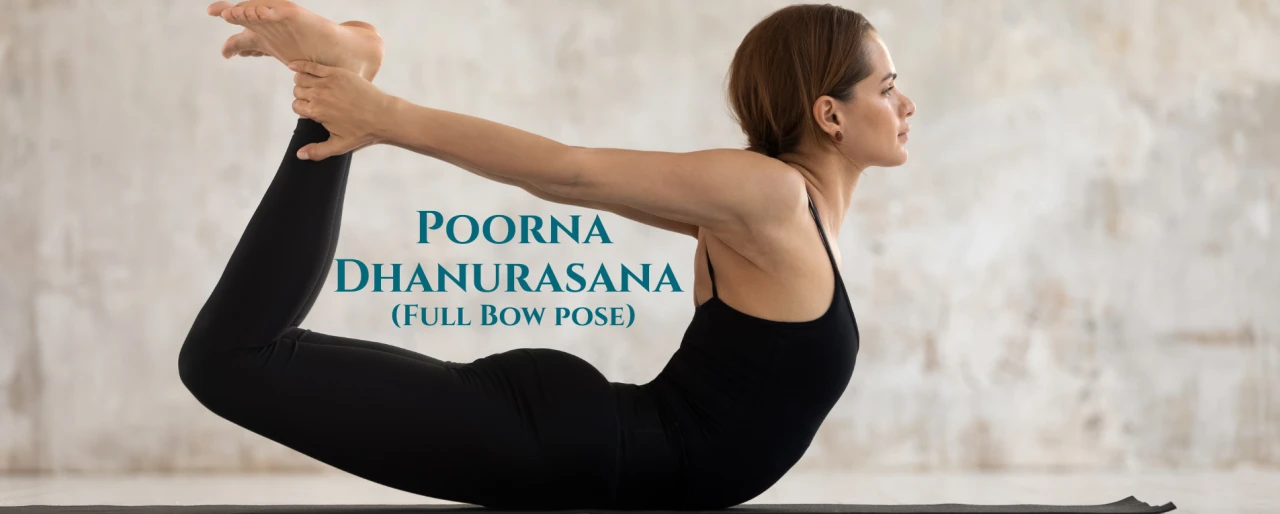
Spiritual & Philosophical Dimension
In yogic symbolism, the bow represents the body and the drawn string represents focused mind-energy. Poorna Dhanurasana is a metaphor for readiness: the body and mind prepared to release awareness like an arrow. As a heart-opening backbend, it supports qualities like courage, gratitude, and emotional resilience.
Poorna Dhanurasana in Yoga Teacher Training
Within structured programs—such as yoga teacher training courses in Nepal—this pose is introduced progressively. Training covers:
- Alignment cues to prevent compression in the lower back.
- Sequencing strategies for safe class inclusion.
- Teaching modifications for varying student abilities.
- Anatomical insights about muscle engagement and spinal mechanics.
- Energetic/chanting or pranayama practices to pair with backbends.
How to Incorporate Poorna Dhanurasana
- Use it as an energizing peak pose in advanced sequences.
- Pair with gentle twists and forward folds afterward to balance the spine.
- Include pranayama (e.g., kapalabhati) earlier in the practice to mobilize energy.
- Encourage meditation and Savasana after practice to integrate effects.
Final Thoughts
Poorna Dhanurasana is a demanding but transformative posture that cultivates strength, openness, and focus. For students and teachers-in-training, especially those studying in Nepal's serene environment, the pose offers both physical mastery and a deeper connection to yogic philosophy.
Practice gradually, respect individual limits, and emphasize breath-led movement to enjoy the full benefits safely.