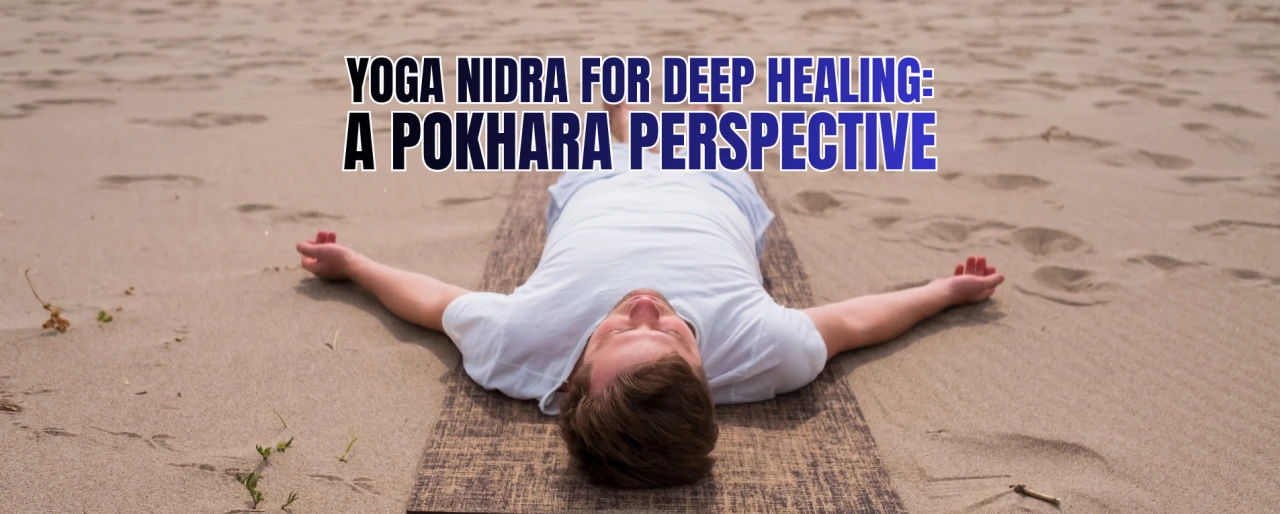
In today’s fast-moving world, stress, emotional tension, and physical exhaustion have become common. Yoga Nidra, also known as yogic sleep, offers a powerful way to relax deeply, release negative patterns, and restore balance to the mind and body. This practice gently guides you into a state between wakefulness and sleep, where profound healing naturally unfolds.
What Is Yoga Nidra?
Yoga Nidra is a guided meditation technique that brings the body into deep rest while keeping the mind gently aware. In this state, brainwaves slow down, stress hormones reduce, and emotional cleansing begins. It is a simple yet effective practice suitable for all ages and experience levels.
How Yoga Nidra Supports Deep Healing
Releases Emotional Tension
Unprocessed emotions such as anxiety, fear, and sadness often remain hidden in the subconscious mind. Yoga Nidra helps dissolve these deep-rooted tensions, promoting emotional balance and mental clarity.
Restores Nervous System Balance
The practice activates the parasympathetic nervous system, allowing the body to shift from stress mode into relaxation. This leads to reduced muscle tension, lower blood pressure, and enhanced overall calmness.
Improves Sleep and Recovery
Yoga Nidra supports deep rest and helps improve sleep quality. Many people experiencing insomnia notice significant improvement with regular practice.
Enhances Mental Clarity
By calming the mind and slowing down inner chatter, Yoga Nidra boosts focus, creativity, and decision-making abilities.
Encourages Physical Healing
Deep relaxation enhances blood circulation, supports immune function, and reduces inflammation—allowing the body to repair itself more effectively.
What Happens During a Yoga Nidra Session?
Setting a Sankalpa (Intention)
Each session begins with choosing a positive intention aligned with your personal healing goal.
Body Scan
A gentle body scan helps release physical tension and guides the mind into deeper relaxation.
Breath Awareness
Relaxed breathing slows mental activity and anchors awareness in the present moment.
Guided Visualization
Healing imagery and calming guidance help the mind access deeper states of rest and restoration.
Awakening
The session concludes by gradually guiding you back to full awareness, leaving you refreshed and rejuvenated.
Who Can Practice Yoga Nidra?
Yoga Nidra is suitable for everyone, including beginners, professionals, students, and individuals dealing with stress or emotional challenges. No physical flexibility is needed—just the willingness to relax.
How Often Should You Practice?
For deep healing, practicing Yoga Nidra three to four times a week is ideal. Sessions of 20 to 45 minutes provide optimal results for emotional and physical restoration.
Yoga Nidra in Nepal: A Transformative Healing Experience
Practicing Yoga Nidra in the serene environment of Nepal enhances the healing process. Mountain views, peaceful lakes, and a spiritual atmosphere create the perfect setting for inner transformation. Many students combine Yoga Nidra with advanced programs like Nepal Yoga Teacher Training and 200 Hour Yoga Teacher Training, deepening their knowledge and strengthening their personal practice.
Tips for a Powerful Yoga Nidra Experience
Practice in a quiet space, lie down comfortably, avoid heavy meals before the session, and simply surrender to the guidance. With consistency, Yoga Nidra becomes a life-changing practice.
Conclusion
Yoga Nidra is a gentle yet powerful tool for deep healing. It restores emotional balance, enhances sleep, calms the nervous system, and supports overall well-being. Whether you practice at home or in a retreat setting in Nepal, Yoga Nidra opens the door to inner peace, clarity, and profound relaxation.